
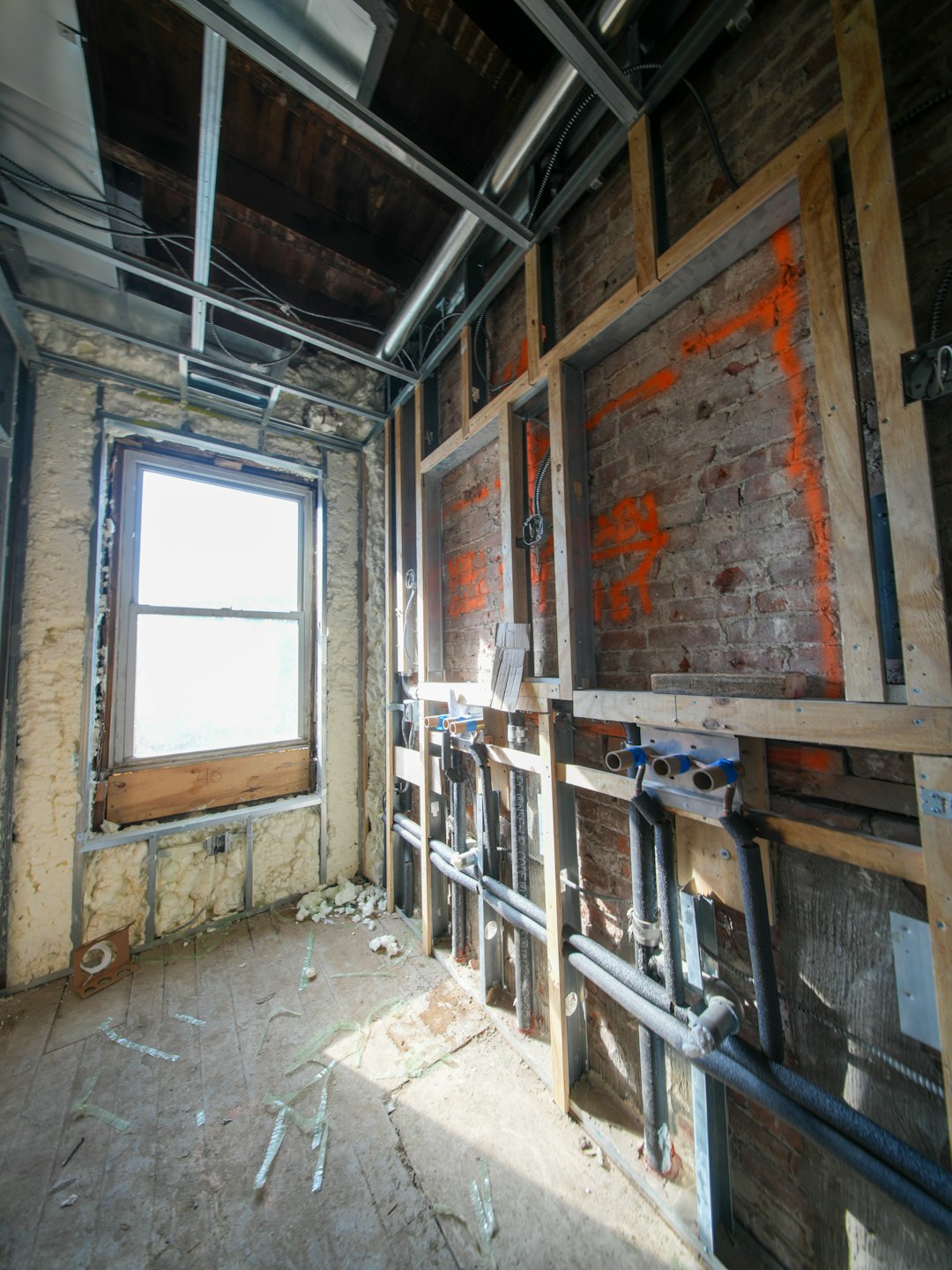
Recognizing When Your Home Needs Better Insulation
As homeowners in Taylor, MI, we know that maintaining a comfortable and energy-efficient home is a priority. Yet, many of us may not realize that poor insulation can lead to increased energy bills, uncomfortable indoor temperatures, and even moisture issues. As the seasons change, you might notice drafts in certain rooms, uneven heating, or persistent condensation on windows, all of which could indicate that your home is not properly insulated.
In this post, we will explore five key signs that suggest your home may need improved insulation. This list is designed to help Taylor residents identify potential insulation issues early, ensuring your home remains comfortable and energy-efficient year-round. If you’re experiencing any of these signs, it might be time to consider an insulation upgrade.
For more information on the best insulation materials for homes in our area, check out our guide on insulation options tailored for Taylor, MI residents.
Evaluating Insulation Needs for Your Taylor, MI Home
When considering insulation improvements for your home in Taylor, MI, it’s essential to evaluate several key factors that can significantly impact your home’s comfort and energy efficiency. Our team at Kincaide Roofing And Rejuvenation recommends focusing on the following criteria to ensure you’re making the best decision for your insulation needs.
- Consider the local climate and weather patterns. Taylor, MI experiences cold winters and warm summers, so it’s crucial to choose insulation materials that provide year-round energy efficiency and comfort.
- Evaluate the material’s R-value, which measures thermal resistance. A higher R-value indicates better insulation performance, helping to keep your home warm in the winter and cool in the summer.
- Assess the installation process and quality. Proper installation is vital for insulation to function effectively. Our team ensures that all insulation is installed with precision to prevent air leaks and maximize efficiency.
- Review the environmental impact and sustainability of the insulation materials. Opting for eco-friendly options can reduce your carbon footprint and contribute to a healthier home environment.
- Check for moisture resistance, especially in areas prone to condensation. Moisture-resistant insulation helps prevent mold growth and structural damage, ensuring a healthier home. Learn more about identifying and fixing moisture problems to complement your insulation efforts.
Top Indicators Your Home Needs Improved Insulation
1. High Energy Bills
If your energy bills are consistently high, it might be due to poor insulation. Inadequate insulation forces your heating and cooling systems to work harder, driving up energy costs.
- Pro: Addressing this can lead to significant savings on energy bills over time.
- Watch out for: Initial costs can be high depending on the insulation material chosen.
- Typical cost / spec: We often see costs vary based on the area and material, but improvements usually pay off in savings.
2. Uneven Temperatures
Experiencing hot and cold spots in your home can indicate uneven or insufficient insulation. This results in discomfort and inefficiency in maintaining a stable indoor climate.
- Pro: Proper insulation can help maintain consistent temperatures throughout your home.
- Watch out for: Identifying the exact areas needing insulation can require professional assessment.
- Typical cost / spec: Costs vary, but resolving these issues can enhance comfort significantly.
3. Drafts in the Home
Feeling drafts even when windows and doors are closed is a common sign of poor insulation. This can lead to energy loss and discomfort, especially during colder months.
- Pro: Sealing drafts can improve comfort and energy efficiency.
- Watch out for: It may require an investment of time and resources to identify and seal all draft points.
- Typical cost / spec: Costs are generally reasonable, but depend on the extent of the work needed.
4. Cold Walls and Floors
Walls and floors that feel cold to the touch are often a sign that your home lacks adequate insulation. This can make living spaces uncomfortable and increase heating costs.
- Pro: Warm walls and floors contribute to a cozier living environment.
- Watch out for: Retrofitting insulation in existing walls can be a complex process.
- Typical cost / spec: While the initial investment can be high, the long-term benefits are substantial.
5. Ice Dams on the Roof
Ice dams forming on your roof can indicate heat escaping through the attic, suggesting poor insulation. This can lead to roof damage and leaks.
- Pro: Proper insulation can prevent ice dams and protect your roof.
- Watch out for: Addressing ice dams might require a combination of insulation and ventilation improvements.
- Typical cost / spec: The costs for resolving ice dam issues vary but can prevent costly roof repairs.
6. Increased Allergies
Poor insulation can allow outside allergens to enter your home, exacerbating allergy symptoms. Improving insulation can help create a healthier indoor environment.
- Pro: Enhanced air quality and reduced allergens.
- Watch out for: It may require a comprehensive approach, including air sealing and insulation upgrades.
- Typical cost / spec: Costs are typically proportional to the scope of the project, but health benefits are invaluable.
7. Mold Growth
Mold growth can occur when insulation is inadequate, allowing moisture to accumulate. This can lead to health issues and structural damage.
- Pro: Proper insulation reduces moisture problems and mold risks.
- Watch out for: Mold remediation can be costly and may require professional intervention.
- Typical cost / spec: Costs vary, but addressing mold early can save on extensive repairs.
8. Noisy Environment
If outside noise easily penetrates your home, it might be due to insufficient insulation. Quality insulation can also serve as a sound barrier, enhancing indoor tranquility.
- Pro: Noise reduction for a more peaceful home environment.
- Watch out for: Insulation upgrades may require significant time and effort.
- Typical cost / spec: While costs can vary, the improvement in noise levels is often worth the investment.
9. Pest Infestations
Pests can exploit gaps in insulation to enter your home, causing damage and health risks. Proper insulation can help seal entry points and deter infestations.
- Pro: Prevents pest entry and potential damage.
- Watch out for: May require additional pest control measures alongside insulation improvements.
- Typical cost / spec: Costs are generally moderate, but pest prevention is a crucial benefit.
Comparing Insulation Solutions for Your Taylor, MI Home
Choosing the right insulation for your home in Taylor, MI can significantly improve comfort and energy efficiency. Below, we’ve compared different insulation options, highlighting their key strengths, potential drawbacks, typical costs, and ideal applications. Use this at-a-glance comparison to determine which insulation solution might be best for your needs.
| Item Name | Key Strength | Watch-Out | Typical Cost/Spec | Best-For Tag |
|---|---|---|---|---|
| Fiberglass Batts | Cost-effective | Can irritate skin | Moderate | Walls and attics |
| Spray Foam | Excellent sealing | Higher cost | High | Air leak prevention |
| Cellulose | Eco-friendly | Can settle over time | Low to moderate | Soundproofing |
| Rigid Foam | High R-value | Not flexible | Moderate | Basements |
| Mineral Wool | Fire-resistant | Heavier than fiberglass | Moderate | Soundproofing and fire safety |
Choosing the Right Insulation for Your Taylor, MI Home
When it comes to enhancing your home’s comfort and energy efficiency, selecting the right insulation is crucial. Here are some quick picks for common situations to help you decide:
- Best overall: Spray Foam Insulation — Provides excellent coverage and energy efficiency, sealing even the smallest gaps.
- Best for budget-conscious homeowners: Fiberglass Batts — An affordable option that offers decent insulation performance, easy to install in attics and walls.
- Best for eco-friendly homes: Cellulose Insulation — Made from recycled materials, it’s a sustainable choice that also provides effective thermal resistance.
- Best for older homes: Loose-Fill Insulation — Ideal for retrofitting in tight spaces, ensuring comprehensive coverage without disturbing existing structures.
- Best for moisture-prone areas: Rigid Foam Insulation — Offers excellent moisture resistance, making it perfect for basements and areas susceptible to dampness.
Common Questions About Home Insulation in Taylor, MI
How do I know if my home needs better insulation?
If your home has uneven temperatures between rooms, drafts, or high energy bills, it may be a sign that you need better insulation. In Taylor, MI, our team often finds that homes with inadequate insulation experience these issues, especially during seasonal temperature changes. A professional inspection can help determine the specific insulation needs of your home.
What are common mistakes homeowners make when insulating?
One common mistake is using the wrong type of insulation for a specific area of the house. Another is failing to seal air leaks before installing insulation, which can reduce its effectiveness. Our team recommends consulting with experts to ensure proper installation and material choice. For more detailed guidance, consider reading our Ultimate Guide to Home Insulation for Taylor, MI Residents.
How does insulation in Taylor, MI homes compare to other regions?
Homes in Taylor, MI, face unique weather challenges, such as cold winters and humid summers, requiring insulation that can handle both temperature extremes. Compared to milder climates, insulation here needs to be more robust to ensure energy efficiency and comfort year-round. Our team is experienced in selecting insulation materials that meet these specific needs.
What should I expect in terms of cost for home insulation?
The cost of home insulation can vary based on the size of your home, the type of insulation used, and the specific areas that need insulation. While upfront costs may seem significant, investing in quality insulation can lead to long-term savings on energy bills. We advise homeowners to consider both the initial investment and the potential savings over time.
Is there a best time of year to insulate my home in Taylor, MI?
While insulation can be installed any time of year, spring and fall are ideal for upgrading your home’s insulation in Taylor, MI. During these milder seasons, our team can work more efficiently without the extreme temperatures of summer or winter, ensuring a quicker and more comfortable installation process.
Is Your Home’s Insulation Ready for Taylor’s Changing Seasons?
Don’t Let Poor Insulation Affect Your Comfort!
Ensure your Taylor, MI home stays warm in winter and cool in summer with our expert insulation solutions. Our team at Kincaide Roofing And Rejuvenation can help you identify and address insulation issues for a more comfortable living environment.
Ensuring Your Home’s Insulation is Up to the Task
Recognizing the signs that your home needs better insulation can make a significant difference in your comfort and energy efficiency. We routinely see that issues like inconsistent indoor temperatures, drafty rooms, and increasing energy bills are key indicators that it’s time to reevaluate your insulation needs. Addressing these signs proactively can help prevent more extensive problems down the line.
At Kincaide Roofing And Rejuvenation, we are here to guide you through the process. Our team has extensive experience in evaluating and enhancing home insulation, ensuring your home stays comfortable year-round. If you’re unsure about your home’s insulation status, don’t hesitate to reach out to us at (734) 789-4817. We’re ready to provide expert advice and solutions tailored to your needs.
For more detailed insights, explore our Ultimate Guide to Home Insulation for Taylor, MI Residents to learn how proper insulation can enhance your home’s comfort and efficiency.