
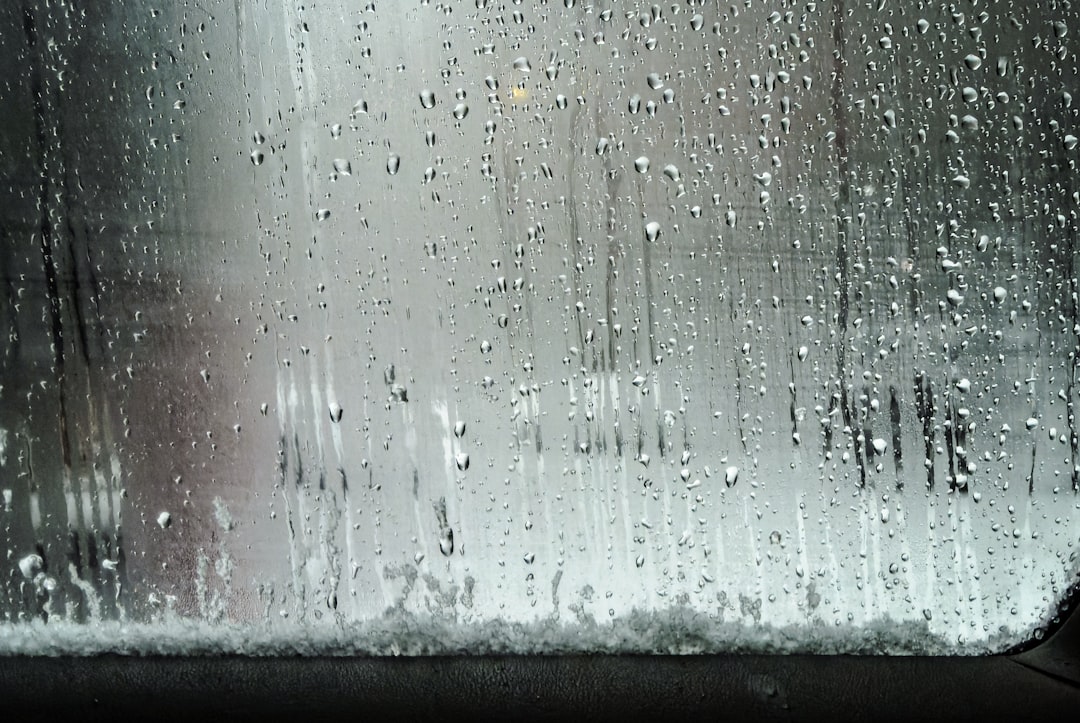
Understanding Condensation on Windows in Taylor, MI
As homeowners in Taylor, MI, dealing with condensation on windows can be frustrating and concerning. It not only obstructs your view but also signals potential issues with insulation and energy efficiency. This guide aims to address these concerns and provide you with the necessary insights to resolve them effectively.
In this comprehensive guide, we’ll explore:
- The causes of window condensation and its impact on your home.
- Solutions for preventing and managing condensation effectively.
- When condensation indicates it’s time to consider window replacement.
- How to maintain a comfortable and energy-efficient home in Taylor’s climate.
Understanding these aspects can help you make informed decisions about your windows. For more information on related window issues, check out our guide on window issues that shouldn’t be ignored.
Understanding Condensation on Windows in Taylor, MI
Condensation on windows is a common issue that many homeowners in Taylor, MI, encounter, especially during the colder months. It occurs when warm, moist air inside the home comes into contact with the cooler surface of the window, causing water droplets to form. While it might seem like a minor inconvenience, persistent condensation can lead to more serious problems such as mold growth, damage to window frames, and reduced energy efficiency.
- Causes of Condensation: The primary cause is the difference in temperature between the inside and outside of your home, often exacerbated by high indoor humidity levels.
- Impact on Window Health: Over time, excess moisture can deteriorate window seals and frames, potentially leading to the need for window replacement.
- Energy Efficiency Concerns: Condensation can indicate that your windows are not insulating as effectively as they should, which can increase heating costs.
- Prevention Tips: Using dehumidifiers, ensuring proper ventilation, and upgrading to double-pane windows can help mitigate condensation issues.
The Importance of Addressing Window Condensation
Condensation on windows is more than just an aesthetic issue; it can be a sign of underlying problems that, if left unaddressed, can lead to significant consequences for your home. Our team at Kincaide Roofing And Rejuvenation has seen firsthand how ignoring window condensation can lead to a multitude of issues.
- We routinely see that persistent condensation can lead to mold growth, which poses health risks to your family and can damage window frames and surrounding walls.
- Ignoring condensation can also result in energy inefficiencies. Moisture buildup often indicates poor insulation, causing your heating and cooling systems to work harder, which can increase energy bills.
- Our team has noticed that prolonged exposure to moisture can weaken the structural integrity of your windows, leading to drafts and further exacerbating energy loss. It’s crucial to understand when window replacement might be necessary.
- Addressing condensation issues promptly can prevent more extensive and costly repairs down the line, safeguarding your home’s value and comfort.
- We find that by regularly maintaining and checking your windows, you can extend their lifespan and ensure they function efficiently, providing comfort and security for your home.
Understanding Condensation on Windows in Taylor, MI
Condensation on windows is a common issue for homeowners in Taylor, MI, especially during the colder months. This phenomenon occurs when warm, moist air comes into contact with the cooler surface of the glass, leading to water droplets forming on the inside of your windows. While it might seem like a minor inconvenience, persistent condensation can indicate underlying problems that may need attention.
Causes of Window Condensation
- Humidity Levels: High indoor humidity is a primary cause of window condensation. Activities like cooking, showering, and even breathing contribute to indoor moisture, which can condense on windows.
- Poor Ventilation: Insufficient airflow in your home can trap moisture, increasing the likelihood of condensation. Proper ventilation helps balance indoor humidity levels.
- Inefficient Windows: Older windows or those with poor insulation can contribute to condensation issues. Single-pane windows, in particular, are more prone to condensation than double or triple-pane windows.
Preventing and Managing Condensation
- Improve Ventilation: Use exhaust fans in kitchens and bathrooms to reduce humidity levels. Opening windows periodically can also help air circulation.
- Use a Dehumidifier: A dehumidifier can help maintain optimal humidity levels, especially in areas like basements or bathrooms where moisture is prevalent.
- Upgrade Your Windows: Consider replacing older windows with energy-efficient models. These windows not only reduce condensation but also improve the overall comfort of your home. Learn more about the benefits of replacing old windows.
Addressing condensation issues is crucial for maintaining the longevity and efficiency of your windows. If left unchecked, excessive moisture can lead to mold growth and damage window frames, ultimately reducing their lifespan. While some condensation is normal, especially in winter, consistent or heavy moisture buildup should not be ignored. Our team at Kincaide Roofing And Rejuvenation can help assess your windows and recommend the best solutions to keep your home comfortable and safe.
Understanding the Causes and Effects of Window Condensation
Condensation on windows is a common issue for many homeowners in Taylor, MI, especially during the colder months. While it might seem like a minor concern, condensation can actually be a sign of more significant window issues that may require attention. Understanding the causes of condensation and its effects can help you determine when it might be time for a window replacement.
Condensation occurs when warm, moist air comes into contact with a cooler surface, such as your window glass. This is particularly prevalent in Taylor, MI, where the fluctuating temperatures can cause indoor humidity levels to rise, leading to moisture accumulation on windows. While a little condensation is normal, excessive moisture can indicate poor insulation or ventilation, which can lead to further problems.
Here are some common effects of persistent window condensation:
- Mold Growth: Excessive moisture provides an ideal environment for mold and mildew to thrive. This not only damages your window frames and sills but can also pose health risks to your family.
- Wood Rot: Prolonged exposure to moisture can cause wooden window frames to rot, compromising the structural integrity of your windows and leading to costly repairs or replacements.
- Decreased Energy Efficiency: Windows that frequently collect condensation might not be effectively insulating your home, leading to higher energy bills as your heating system works harder to maintain a comfortable temperature.
It’s essential to address window condensation promptly to prevent these potential problems. In some cases, improving ventilation or using a dehumidifier can alleviate minor issues. However, if condensation persists, it might be time to consider window replacement as a more permanent solution. Our team at Kincaide Roofing And Rejuvenation is always ready to help you assess your windows and recommend the best course of action to maintain your home’s comfort and efficiency.
Addressing Window Condensation Issues in Taylor, MI
Condensation on windows is a common issue for homeowners, especially in Taylor, MI, where the climate can be quite variable. Understanding how to address this problem is crucial to maintaining your home’s energy efficiency and comfort. Here is a step-by-step guide to help you manage and reduce window condensation effectively.
- Identify the Source of Moisture: Begin by checking for any visible signs of moisture around your windows. This could be due to high humidity levels inside your home. Ensure your exhaust fans in kitchens and bathrooms are functioning correctly to reduce indoor moisture levels.
- Improve Ventilation: Make sure to ventilate your home adequately. Open windows when possible or use mechanical ventilation systems to allow fresh air to circulate. Proper ventilation helps balance indoor humidity and can significantly reduce condensation.
- Inspect Window Seals: Examine your windows for any broken or damaged seals. Damaged seals can allow moisture to seep in, exacerbating condensation issues. If seals are compromised, consider repairing or replacing them to maintain window integrity.
- Use a Dehumidifier: If indoor humidity remains high, consider using a dehumidifier to remove excess moisture from the air. This is particularly useful during colder months when opening windows is less feasible.
- Check for Insulation Problems: Poor insulation can lead to temperature imbalances that promote condensation. Ensure your windows are properly insulated to prevent cold air from meeting warm indoor air, which causes moisture to form.
- Consider Window Replacement: If condensation persists, it may be time to consider replacing your windows. Newer, energy-efficient windows can provide better insulation and reduce condensation. Learn more about identifying signs for window replacement in our comprehensive guide.
- Monitor and Maintain: After addressing these issues, regularly monitor your windows for signs of condensation. Consistent maintenance will help ensure your windows remain in top condition and your home stays comfortable.
Common Window Condensation Mistakes and How to Avoid Them
Condensation on windows is a common issue for many homeowners in Taylor, MI, especially during the colder months. Our team at Kincaide Roofing And Rejuvenation has identified several mistakes that people often make when dealing with this problem. Understanding these pitfalls can help you maintain your windows and ensure your home remains comfortable and energy-efficient.
- Mistake 1: Ignoring Seals and Weatherstripping – One frequent mistake is neglecting the seals and weatherstripping around windows. When these components degrade, moisture can seep in, leading to condensation. Regularly inspect and replace worn-out seals to prevent this issue.
- Mistake 2: Overlooking Ventilation Needs – Proper ventilation is crucial in preventing window condensation. Many homeowners forget to open windows or use exhaust fans in areas like kitchens and bathrooms, resulting in excess moisture. Ensure adequate airflow throughout your home to combat this problem.
- Mistake 3: Neglecting Regular Window Maintenance – Skipping routine maintenance checks can exacerbate window issues, including condensation. Regularly cleaning and inspecting your windows can help identify potential problems early. For more detailed guidance, check out our advice on performing a home maintenance check on windows in Taylor, MI.
- Mistake 4: Misjudging the Need for Window Replacement – Sometimes, condensation is a sign that it’s time to replace your windows. Misjudging this need can lead to ongoing issues and increased energy costs. If you’re unsure, review the signs that indicate when window replacement is necessary.
- Mistake 5: Using Improper Humidity Control – High indoor humidity levels contribute to condensation. Failing to use dehumidifiers or properly adjusting your HVAC system can worsen the issue. Monitor and manage your home’s humidity to keep condensation at bay.
Understanding Common Window Terminology for Taylor, MI Homeowners
When dealing with window issues in Taylor, MI, it’s helpful to understand some key terms that you might encounter. Whether you’re assessing window drafts or considering replacements, knowing these terms can help you make informed decisions. Here’s a quick reference guide to some common window-related terms.
| Term | Plain-language meaning |
|---|---|
| Condensation | Moisture that forms on the interior or exterior surfaces of windows, often due to temperature differences. |
| Double Glazing | A window that has two layers of glass with a space between them, providing better insulation. |
| Window Seal | The material or mechanism that prevents air and water from entering around the edges of a window. |
| Sash | The part of the window that holds the glass and is typically movable in sliding or double-hung windows. |
| Frame | The structure that surrounds and supports the entire window system. |
| Draft | Unwanted air entering a home through gaps or cracks around windows, reducing energy efficiency. |
| Low-E Glass | Glass with a special coating that reflects heat, keeping homes warmer in winter and cooler in summer. |
| Energy Star Rating | A certification indicating that a window meets energy efficiency guidelines set by the U.S. Environmental Protection Agency. |
Understanding Condensation on Windows: Common Questions Answered
Why do I see condensation on the inside of my windows?
Condensation on the inside of windows typically occurs when warm, moist air comes into contact with the cooler surface of the glass. This is common in Taylor, MI, especially during the colder months. To reduce this, try using a dehumidifier or ensure proper ventilation in your home to balance humidity levels.
Is window condensation a sign of a problem?
Occasional condensation isn’t necessarily a cause for concern, but persistent moisture can lead to mold growth or indicate poor insulation. If you’re frequently seeing condensation, it might be time to evaluate your windows for potential replacement. Learn more about signs that indicate you need window replacement.
How can I prevent window condensation?
To prevent window condensation, ensure your home is well-ventilated, especially in moisture-prone areas like kitchens and bathrooms. Using exhaust fans, keeping windows slightly open, and maintaining a consistent indoor temperature can also help manage moisture levels effectively.
Does condensation between window panes mean I need new windows?
Yes, condensation between window panes often indicates that the seal has failed, allowing moisture to enter. This reduces the window’s insulating properties and is a sign that you may need to replace the windows to restore energy efficiency and clarity.
Can window condensation damage my home?
Yes, prolonged window condensation can lead to damage such as mold growth, wood rot, and peeling paint. Addressing the root cause of the condensation can prevent these issues and protect your home’s structural integrity.
Will upgrading my windows help with condensation issues?
Upgrading to modern, energy-efficient windows can significantly reduce condensation issues. These windows often feature better insulation and seals, helping to maintain a consistent indoor temperature and humidity level, thus minimizing condensation.
Is Window Condensation a Sign You Need a Replacement?
Don’t Ignore Window Condensation in Taylor, MI!
Condensation on your windows can lead to mold and structural issues if not addressed. Ensure your home remains safe and energy-efficient by identifying window problems early in Taylor, MI.
Addressing Condensation on Windows for a Healthier Home
Condensation on windows is not just a minor inconvenience; it can be a sign of more significant issues that may require attention. Understanding these signs can help you determine when it’s time to consider window replacement. Addressing these window issues promptly ensures a healthier, more energy-efficient home, minimizing potential damage.
At Kincaide Roofing And Rejuvenation, we are committed to helping you maintain a comfortable and secure home. With our extensive experience in residential improvements, we’re here to guide you every step of the way. If you suspect your windows need replacing or want to learn more about how window issues affect your home, explore common window issues that shouldn’t be ignored. Reach out to us today at (734) 789-4817 for expert advice and solutions tailored to your needs.