
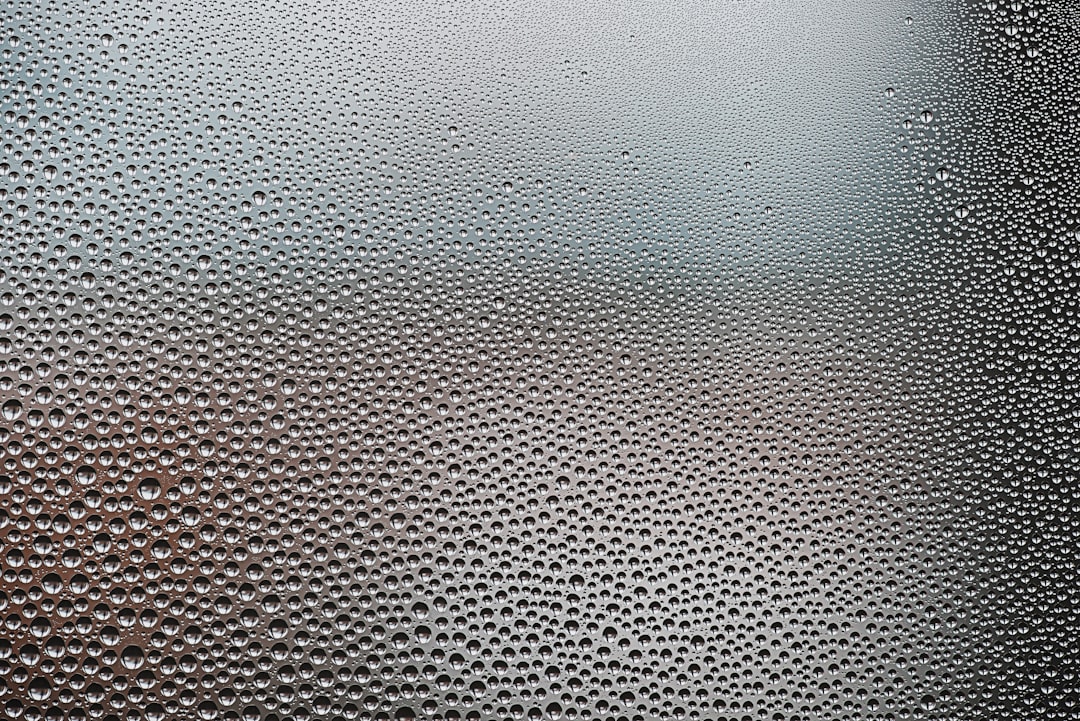
Understanding Condensation on Windows: A Sign You Might Need Replacement
Condensation on your windows can be more than just a minor annoyance; it might be an indicator that your windows are due for replacement. In Southeast Michigan, where weather extremes are common, maintaining efficient and functional windows is crucial for comfort and energy savings. If you’re noticing persistent condensation, it’s essential to understand what it means for your home’s health and efficiency.
In this guide, we’ll explore:
- The causes of window condensation and what it signifies
- How to determine if condensation is a sign of window failure
- The impact of outdated windows on energy efficiency and home comfort
- Steps to take if you suspect your windows need replacing
For a deeper look into window issues and the benefits of upgrading, visit our comprehensive guide on when you should replace your windows in Michigan.
Understanding Condensation on Windows
Condensation on windows is a common issue that many homeowners in Southeast Michigan face, especially during the colder months. This phenomenon occurs when warm, humid air inside the home comes into contact with the cooler surface of the window, causing moisture to form. While condensation itself is not a direct sign of needing window replacement, it can indicate underlying issues with your windows that may require attention.
- Seal Failure: If condensation forms between the panes of double or triple-glazed windows, it often points to a broken seal, which can lead to reduced energy efficiency.
- Insufficient Insulation: Poorly insulated windows allow more heat transfer, increasing the likelihood of condensation and affecting your home’s energy efficiency.
- Ventilation Issues: Lack of proper ventilation can trap moisture inside your home, contributing to window condensation.
- Window Age: Older windows may not have the same energy-efficient properties as newer models, making them more prone to condensation.
For more insights on when to consider replacing your windows, explore our comprehensive guide on window replacement for Michigan homes.
Understanding the Impact of Window Condensation
Addressing condensation on windows is crucial for maintaining the overall health and efficiency of your home. Our team at Kincaide Roofing And Rejuvenation has observed that ignoring this issue can lead to a range of problems. Here are some key reasons why taking action matters:
- Condensation can be a sign of failing window seals, which may lead to increased energy bills as your heating and cooling systems work harder to maintain a comfortable temperature.
- Persistent moisture buildup can cause mold and mildew growth, which not only damages window frames and surrounding walls but also poses health risks to your family.
- Ignoring condensation issues can result in structural damage over time. This can escalate repair costs significantly if not addressed promptly.
- Windows that consistently fog up may indicate poor insulation, which contributes to drafts and reduces the overall comfort of your home.
- Timely window replacement can enhance your home’s curb appeal and increase its value, as mentioned in our insights on how new windows can improve your home’s appearance.
Understanding Condensation on Windows: Causes and Solutions
Condensation on windows is a common concern for homeowners, especially during the colder months in Southeast Michigan. While it might seem like a minor inconvenience, persistent condensation can signify deeper issues that may require window replacement. Our team at Kincaide Roofing And Rejuvenation frequently encounters this issue, and understanding its root causes can help you decide when it’s time to consider new windows.
What Causes Window Condensation?
- Humidity Levels: High indoor humidity is a primary cause of window condensation. When warm, moist air comes in contact with the cooler window surface, it results in condensation. This is particularly common in bathrooms and kitchens where moisture levels are higher.
- Window Insulation: Poorly insulated or single-pane windows are more prone to condensation. Insufficient insulation allows more cold air to reach the interior glass surface, increasing the likelihood of moisture buildup.
- Temperature Differences: The greater the temperature difference between the inside and outside of a window, the more likely condensation will occur. This is a common issue during Michigan’s cold winters.
Why Is Condensation a Problem?
- Mold Growth: Persistent moisture on windows can lead to mold growth, which poses health risks and can damage window frames and walls.
- Damage to Window Frames: Continuous exposure to moisture can cause wood frames to rot and metal frames to rust, compromising the structural integrity of your windows.
- Energy Efficiency: Condensation may indicate that your windows are not energy-efficient, leading to increased heating costs as your HVAC system works harder to maintain a comfortable indoor temperature.
Solutions to Window Condensation
- Improve Ventilation: Use exhaust fans in kitchens and bathrooms to reduce humidity levels. Consider installing a dehumidifier in areas with high moisture content.
- Upgrade Windows: Consider replacing old windows with energy-efficient models that provide better insulation. This not only reduces condensation but also enhances home comfort and energy savings.
- Check Seals and Weatherstripping: Ensure that window seals and weatherstripping are intact and functioning properly to prevent drafts and maintain temperature control.
If you’re noticing persistent condensation, it may be time to evaluate your current windows. For more insights on when to consider replacing your windows, visit our detailed guide on when you should replace your windows in Michigan.
Understanding the Impact of Condensation on Window Longevity
Condensation on windows is more than just an annoying visual problem; it can be a significant indicator of underlying issues that may affect the longevity and efficiency of your windows. In Southeast Michigan, where seasonal temperature variations are common, understanding condensation and its implications can help homeowners make informed decisions about window maintenance and replacement.
Condensation occurs when warm, humid air comes into contact with a cooler surface, like a window pane. While a little condensation might not seem like a big deal, persistent moisture can lead to several problems:
- Damage to Window Frames: Excessive moisture can seep into window frames, especially if they are made of wood, leading to rot and deterioration over time. This damage can compromise the structural integrity of the window and may necessitate a full replacement sooner than expected.
- Mold and Mildew Growth: The damp environment created by condensation is ideal for mold and mildew growth, which can pose health risks and further degrade window materials.
- Loss of Insulation: Condensation between double-pane windows can indicate a broken seal. This not only reduces the insulating properties of the window but also allows moisture to infiltrate, leading to further damage.
Recognizing these signs early can help you take action before the problem escalates. For more information on identifying when it’s time to replace your windows, consider exploring our comprehensive guide on the top signs your Michigan home needs new windows.
Step-by-Step Guide to Addressing Window Condensation
Condensation on windows can be a sign that it’s time for a window replacement. Our team at Kincaide Roofing And Rejuvenation is here to help you understand the steps involved in addressing condensation issues effectively. Follow these steps to ensure your windows are functioning properly and maintaining the comfort of your home.
- Identify the Source: Begin by determining where the condensation is forming. Check if it’s occurring on the inside, outside, or between the panes. This will help you diagnose the problem correctly. We often find that internal condensation is due to high humidity levels inside the home.
- Check for Damaged Seals: Examine the seals around your windows. If you notice any cracks or gaps, this could be allowing moisture to enter. Sealing these gaps can temporarily reduce condensation, but it may be a sign that a window replacement is needed.
- Assess Ventilation: Ensure your home has adequate ventilation. Use exhaust fans in bathrooms and kitchens to reduce humidity levels. Proper ventilation can help prevent condensation from becoming a recurring issue.
- Inspect Window Frames: Look for signs of rot or damage in wooden frames, as these can absorb moisture and contribute to condensation. If the frames are compromised, it might be time to consider a replacement.
- Consider Window Replacement: If condensation persists, it may be time for new windows. Modern windows offer better insulation and can significantly reduce condensation issues. For more insights on this topic, explore our detailed guide on what to expect during a window replacement in Taylor, MI.
- Monitor Humidity Levels: Use a hygrometer to keep track of humidity levels in your home. Maintaining these levels can prevent condensation from forming on your windows.
- Consult with Professionals: Finally, consult with a professional to assess whether your windows need replacing. Our team can provide expert advice and solutions tailored to your needs.
Common Mistakes in Window Replacement and How to Avoid Them
In our experience at Kincaide Roofing And Rejuvenation, we often encounter several common mistakes homeowners make when considering window replacement. Understanding these pitfalls can save you time, money, and frustration.
- Mistake 1: Ignoring Condensation Issues – Many homeowners overlook condensation on windows, assuming it’s just a minor inconvenience. However, condensation can be a sign of poor insulation or seal failure. Addressing these issues early can prevent more extensive damage down the line.
- Mistake 2: Delaying Replacement Despite Visible Damage – Waiting too long to replace damaged windows can lead to higher energy bills and further structural damage. We recommend inspecting your windows regularly and considering timely replacement to maintain your home’s efficiency.
- Mistake 3: Choosing Low-Quality Materials – Opting for cheaper materials might save money upfront, but it can result in higher costs over time due to repairs and replacements. Investing in quality materials ensures durability and better performance, especially in the harsh Michigan climate.
- Mistake 4: Not Considering Energy Efficiency – Overlooking energy-efficient options can lead to missed savings on heating and cooling costs. We always advise considering energy-efficient windows to improve your home’s overall comfort and reduce utility expenses.
- Mistake 5: DIY Installation Attempts – Trying to install windows yourself can lead to improper fitting, voided warranties, and potential safety hazards. Professional installation ensures that windows are properly sealed and function as intended.
Understanding Key Terms in Window Condensation and Replacement
When dealing with window condensation and considering whether it’s time for a window replacement, it helps to understand some key industry terms. Below is a quick reference table to guide you through the terminology you might encounter. For more in-depth insights, consider reading about what to expect during a window replacement in Taylor, MI.
| Term | Plain-language meaning |
|---|---|
| Condensation | Moisture that forms on the inside or outside of windows, often due to temperature differences. |
| Double Glazing | A window that has two layers of glass with a space between them to improve insulation. |
| Energy Efficiency | Refers to windows designed to reduce the amount of energy required to heat or cool a home. |
| R-value | A measure of thermal resistance; higher values mean better insulation. |
| U-factor | Indicates how well a window insulates; lower numbers mean better performance. |
| Low-E Glass | Glass coated with a material that minimizes the amount of ultraviolet and infrared light passing through without compromising visibility. |
| Weatherstripping | Material used to seal gaps around windows to prevent air leaks. |
| Frame Material | The material (wood, vinyl, aluminum, etc.) used for the window frame, affecting durability and insulation. |
Understanding Condensation and Window Replacement Needs
Why do my windows have condensation?
Condensation on windows is often a result of high humidity levels inside your home meeting the cold surface of the glass. This is particularly common in Southeast Michigan’s changing seasons. While some condensation is normal, excessive moisture might indicate poor insulation or failing window seals, which could be a sign that it’s time to consider window replacement.
How can I tell if condensation is a sign of window failure?
If you notice condensation between the panes of double or triple-glazed windows, it typically means the seal has failed. This can compromise the insulating properties of your windows, leading to increased energy costs. In such cases, window replacement might be necessary to restore efficiency and comfort in your home.
Is condensation more common in older windows?
Yes, older windows are more prone to condensation due to worn-out seals and less effective insulation materials. If your windows are over 20 years old and frequently show signs of condensation, it may be time to assess whether new, energy-efficient windows could be beneficial. Learn more about common problems with old windows in our related article.
What are some other signs that I need window replacement?
In addition to persistent condensation, other signs include drafts, difficulty opening or closing windows, and visible damage such as rot or warping. Energy bills that are higher than usual can also indicate that your windows are no longer performing effectively.
How do new windows help with condensation issues?
New windows often feature advanced materials and designs that improve insulation and reduce the likelihood of condensation. By maintaining a more consistent temperature across the glass surface, they help minimize the conditions that lead to condensation. This can be particularly beneficial in Michigan’s diverse climate.
Can window replacement improve my home’s energy efficiency?
Absolutely. Replacing old, inefficient windows with modern, energy-efficient options can significantly reduce heat loss and improve your home’s overall energy efficiency. This not only helps lower utility bills but also enhances comfort throughout the year. For more insights, explore why Michigan homes benefit from energy-efficient windows.
Is Condensation a Sign You Need New Windows?
Don’t Ignore Window Condensation Issues!
Protect your Taylor, MI home by addressing window condensation, which can lead to bigger problems. Ensure your comfort and energy efficiency with expert window replacement solutions.
Understanding When Window Replacement Is Necessary
Condensation on windows can be a clear signal that it’s time to consider window replacement. This issue often indicates that your windows are no longer providing the insulation your home needs, leading to potential energy efficiency problems. If you’re noticing signs like drafts or increased energy bills, it might be time to explore your options for new windows.
At Kincaide Roofing And Rejuvenation, we have extensive experience in guiding homeowners through the window replacement process. Our team is here to help you make informed decisions tailored to your specific needs. For more insights into identifying when window replacement is necessary, visit our guide on signs your Michigan home needs new windows. If you’re ready to discuss your window needs or schedule a consultation, feel free to reach out to us at (734) 789-4817. We’re committed to ensuring your home remains comfortable and energy-efficient.